By Carolina Morgan | Sydney Wedding Photographer
The best wedding photography tips I can give you have nothing to do with how you look or what you wear. They are about the choices you make in the months before your wedding that quietly shape how honest, how alive, and how completely you your photos feel when they land in your inbox. Some of these are practical. Some of them are things no one thinks to mention until it is too late. All of them matter.
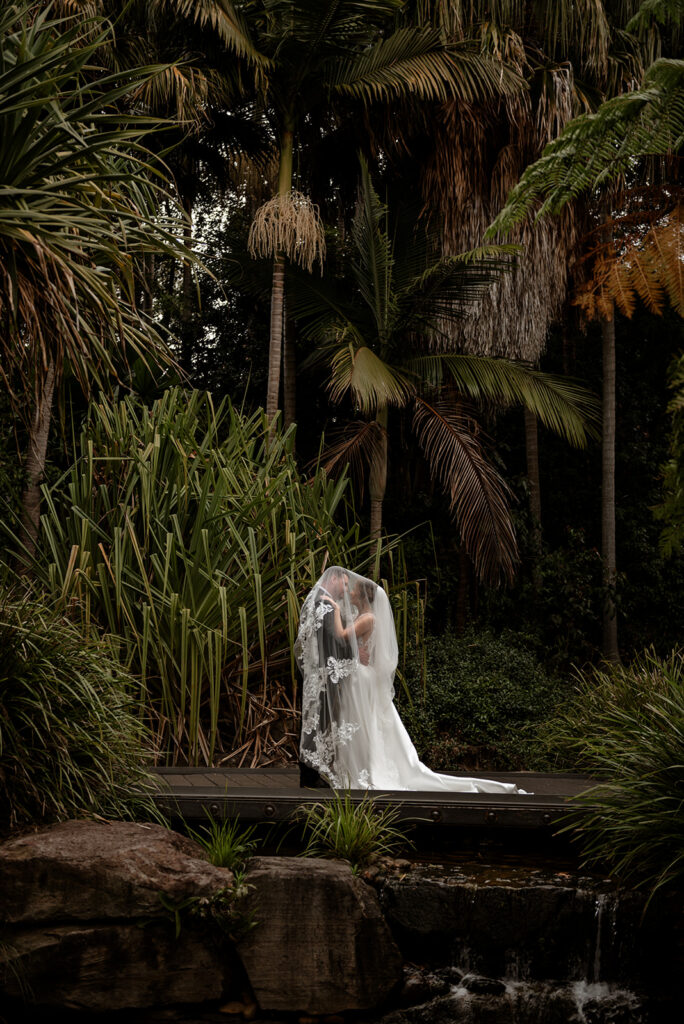
The Most Important Wedding Photography Tip: Choose Someone You Trust
A portfolio will show you what a photographer can do. A conversation will show you who they are. And who they are matters more than almost anything else on your wedding day.
Your photographer will be one of the closest people to you from the moment you start getting ready until the last dance. They will be in the room when you see each other for the first time. They will be beside you during your vows. They will notice the things everyone else misses. That kind of access requires genuine trust, and trust is built in conversation, not on a grid.
Before you book anyone, have a real chat. Notice how they listen. Notice whether you feel relaxed or like you are performing. The best working relationships always start with a real human connection.
Say Yes to a Pre-Wedding Session
A pre-wedding session is one of the most underrated investments a couple can make. Not because of the photos you walk away with, although those are genuinely beautiful, but because of what it does for how you feel on your wedding day.
When you have already spent an hour or two in front of your photographer’s camera, the wedding day feels entirely different. You know how they move. You know what they ask. You know that you can laugh at the awkward bits and come out the other side looking like yourselves. That familiarity removes so much of the tension that shows up in photos when couples are being photographed together for the very first time.
If your photographer offers a pre-wedding session, say yes without hesitation.
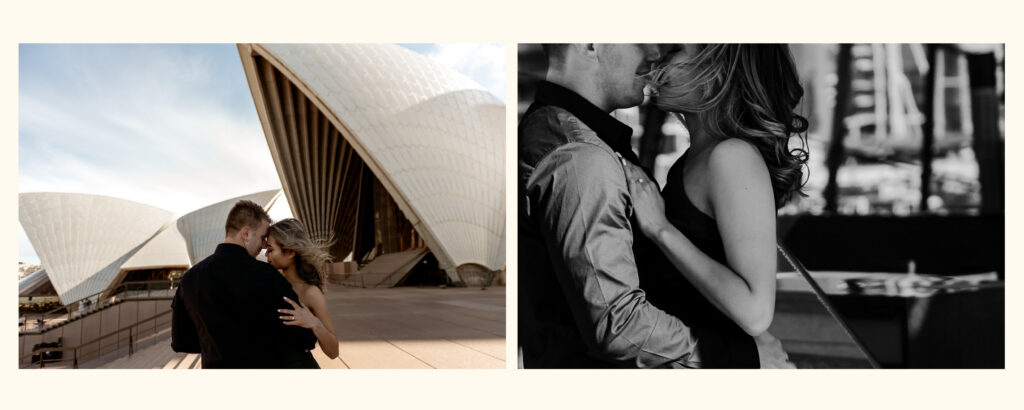
How Lighting Choices Affect Your Wedding Photography More Than You Think
This is one of those wedding photography tips that almost never comes up in venue tours and almost always comes up in post-wedding conversations. Light is the single biggest factor in how your photos look and feel, and most of the decisions that affect it are made months before the day.
When you are walking through getting ready spaces, look at the windows. Are they large? Does the room face the right direction? For ceremonies, think about the time of day and where the sun will be. For receptions, candles do something that no overhead lighting can replicate. These small environmental choices compound over the course of a day and they show up quietly but clearly in your final gallery.
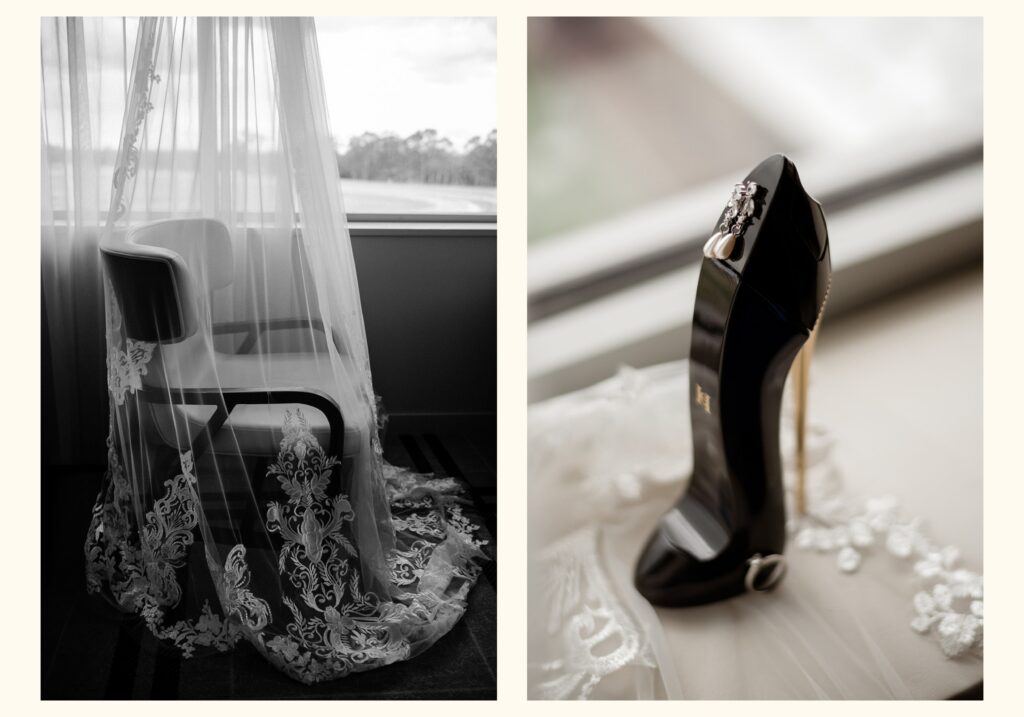
Let Your Photographer Into the Timeline Conversation
Your photographer has seen more wedding days than almost anyone else in your vendor team. They know where the day tends to slow down and where it tends to rush. They know how long family photos actually take when your extended family is involved. They know what the light does at your venue at 5pm in June.
Involve them in your timeline early. Not as a formality, but as a genuine collaborator. A well-built timeline does not just protect your photos. It protects your experience of the day. It means you move through each moment without rushing, which means you are actually present for all of it.
An Unplugged Ceremony Is One of the Best Wedding Photography Tips I Know
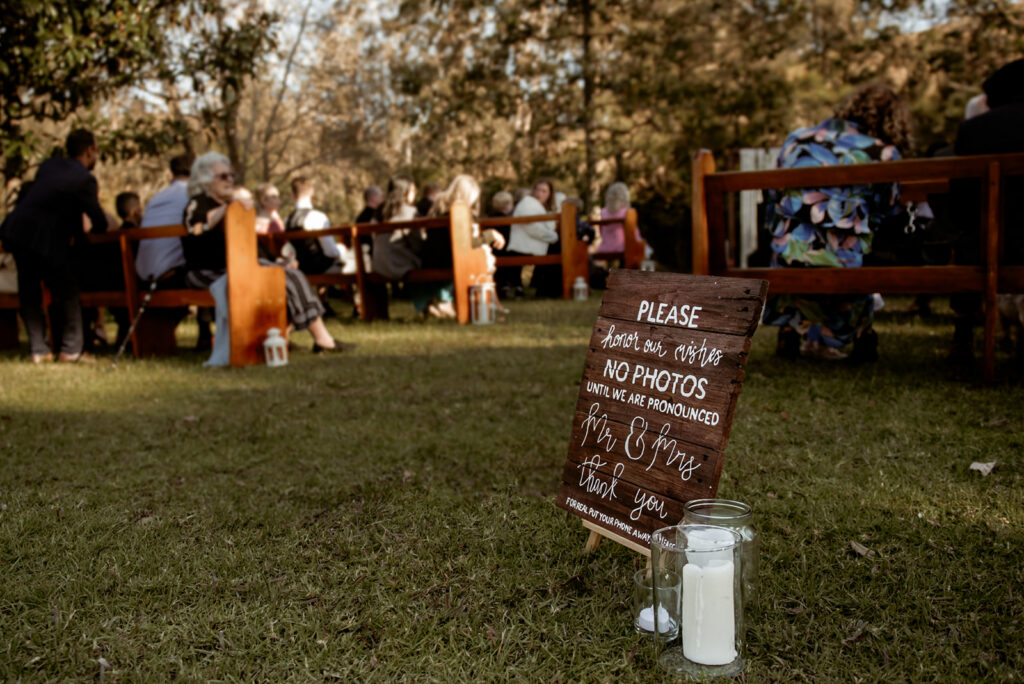
An unplugged ceremony is one of the most generous things you can do for yourself, your guests, and your photos. When the people you love are not holding up screens, you can see their faces. You can see your mum crying in the front row. You can see your best friend squeezing their partner’s hand. The room becomes visible in a way it simply is not when everyone is photographing it.
There is also something profound about asking the people you love to just be there. Not to document it. Not to share it. Just to be fully in the room with you while you make one of the biggest commitments of your life.
Give Your Photographer a Meal When Your Guests Eat
This one surprises people but it genuinely changes the quality of your evening coverage. When photographers are fed after the guests, it almost always means eating during speeches or first dances, which means either missing key moments or going hungry for the rest of the night.
Ask your caterer to seat and serve your photographer at the same time as your guests. It takes one line in an email and it means your photographer is energised, present, and ready to move the moment the dancing starts. A small logistical kindness with a real impact on your gallery.
Build in a Quiet Moment Just for the Two of You
On a wedding day, you are pulled in every direction. You are greeting guests, doing the rounds, taking care of everyone around you. It is beautiful and it is also relentless. One of my favourite wedding photography tips is to build in a deliberate pause, just five or ten minutes in the middle of the day where it is just the two of you.
Some couples do this as a first look before the ceremony, a private moment to see each other before the whole world is watching. Others do it during cocktail hour. Wherever it fits in your day, protect it. Those five minutes are often where some of the most tender, honest photos of the day come from, simply because you finally had a moment to breathe and actually look at each other.
Print Your Photos Before Life Gets Busy
Your gallery will arrive and you will open it and feel everything all over again. And then life will continue and the months will pass and somehow the album you were going to order never quite gets ordered.
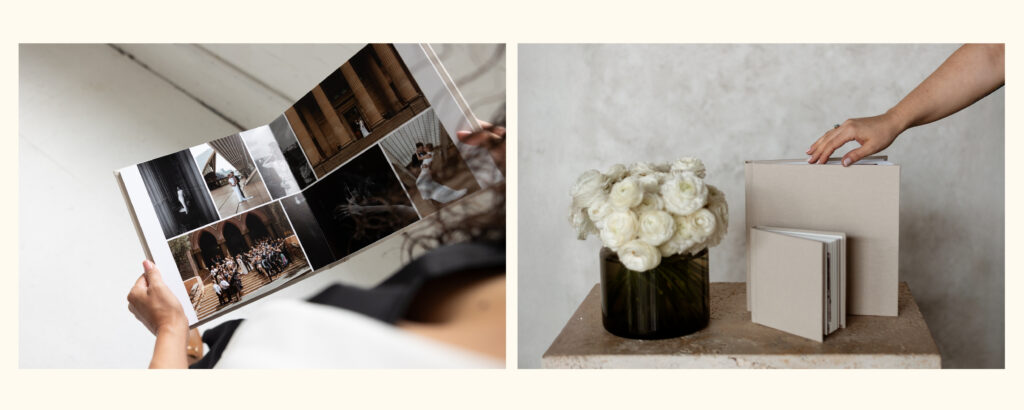
Print your photos. Make the album. Frame something for the wall. The images that matter most in a family over time are almost always the ones that exist physically, the ones you pull down from a shelf or find tucked inside a drawer years later. Digital files are wonderful but they do not have weight. They do not have the feeling of turning a page and being taken straight back to that day.
Do not let your wedding photos live only on a screen. They deserve more than that. So do you.
If you are still looking for your Sydney or South Coast wedding photographer, I would love to hear about your day. Book a free call or send me a message. A few 2026 dates are still available.
By Carolina Morgan | Sydney Wedding Photographer
The best wedding photography tips I can give you have nothing to do with how you look or what you wear. They are about the choices you make in the months before your wedding that quietly shape how honest, how alive, and how completely you your photos feel when they land in your inbox. Some of these are practical. Some of them are things no one thinks to mention until it is too late. All of them matter.
The Most Important Wedding Photography Tip: Choose Someone You Trust
A portfolio will show you what a photographer can do. A conversation will show you who they are. And who they are matters more than almost anything else on your wedding day.
Your photographer will be one of the closest people to you from the moment you start getting ready until the last dance. They will be in the room when you see each other for the first time. They will be beside you during your vows. They will notice the things everyone else misses. That kind of access requires genuine trust, and trust is built in conversation, not on a grid.
Before you book anyone, have a real chat. Notice how they listen. Notice whether you feel relaxed or like you are performing. The best working relationships always start with a real human connection.
Say Yes to a Pre-Wedding Session
A pre-wedding session is one of the most underrated investments a couple can make. Not because of the photos you walk away with, although those are genuinely beautiful, but because of what it does for how you feel on your wedding day.
When you have already spent an hour or two in front of your photographer’s camera, the wedding day feels entirely different. You know how they move. You know what they ask. You know that you can laugh at the awkward bits and come out the other side looking like yourselves. That familiarity removes so much of the tension that shows up in photos when couples are being photographed together for the very first time.
If your photographer offers a pre-wedding session, say yes without hesitation.
How Lighting Choices Affect Your Wedding Photography More Than You Think
This is one of those wedding photography tips that almost never comes up in venue tours and almost always comes up in post-wedding conversations. Light is the single biggest factor in how your photos look and feel, and most of the decisions that affect it are made months before the day.
When you are walking through getting ready spaces, look at the windows. Are they large? Does the room face the right direction? For ceremonies, think about the time of day and where the sun will be. For receptions, candles do something that no overhead lighting can replicate. These small environmental choices compound over the course of a day and they show up quietly but clearly in your final gallery.
Let Your Photographer Into the Timeline Conversation
Your photographer has seen more wedding days than almost anyone else in your vendor team. They know where the day tends to slow down and where it tends to rush. They know how long family photos actually take when your extended family is involved. They know what the light does at your venue at 5pm in June.
Involve them in your timeline early. Not as a formality, but as a genuine collaborator. A well-built timeline does not just protect your photos. It protects your experience of the day. It means you move through each moment without rushing, which means you are actually present for all of it.
An Unplugged Ceremony Is One of the Best Wedding Photography Tips I Know
An unplugged ceremony is one of the most generous things you can do for yourself, your guests, and your photos. When the people you love are not holding up screens, you can see their faces. You can see your mum crying in the front row. You can see your best friend squeezing their partner’s hand. The room becomes visible in a way it simply is not when everyone is photographing it.
There is also something profound about asking the people you love to just be there. Not to document it. Not to share it. Just to be fully in the room with you while you make one of the biggest commitments of your life.
Give Your Photographer a Meal When Your Guests Eat
This one surprises people but it genuinely changes the quality of your evening coverage. When photographers are fed after the guests, it almost always means eating during speeches or first dances, which means either missing key moments or going hungry for the rest of the night.
Ask your caterer to seat and serve your photographer at the same time as your guests. It takes one line in an email and it means your photographer is energised, present, and ready to move the moment the dancing starts. A small logistical kindness with a real impact on your gallery.
Build in a Quiet Moment Just for the Two of You
On a wedding day, you are pulled in every direction. You are greeting guests, doing the rounds, taking care of everyone around you. It is beautiful and it is also relentless. One of my favourite wedding photography tips is to build in a deliberate pause, just five or ten minutes in the middle of the day where it is just the two of you.
Some couples do this as a first look before the ceremony, a private moment to see each other before the whole world is watching. Others do it during cocktail hour. Wherever it fits in your day, protect it. Those five minutes are often where some of the most tender, honest photos of the day come from, simply because you finally had a moment to breathe and actually look at each other.
Print Your Photos Before Life Gets Busy
Your gallery will arrive and you will open it and feel everything all over again. And then life will continue and the months will pass and somehow the album you were going to order never quite gets ordered.
Print your photos. Make the album. Frame something for the wall. The images that matter most in a family over time are almost always the ones that exist physically, the ones you pull down from a shelf or find tucked inside a drawer years later. Digital files are wonderful but they do not have weight. They do not have the feeling of turning a page and being taken straight back to that day.
Do not let your wedding photos live only on a screen. They deserve more than that. So do you.
If you are still looking for your Sydney or South Coast wedding photographer, I would love to hear about your day. Book a free call or send me a message. A few 2026 dates are still available.
Wedding Photography Tips: 8 Ways to Get the Most From Your Day
April 4, 2026